E-Commerce Store App Design
Every business owner who has tried selling online knows the difference between a store that converts and one that just sits there.
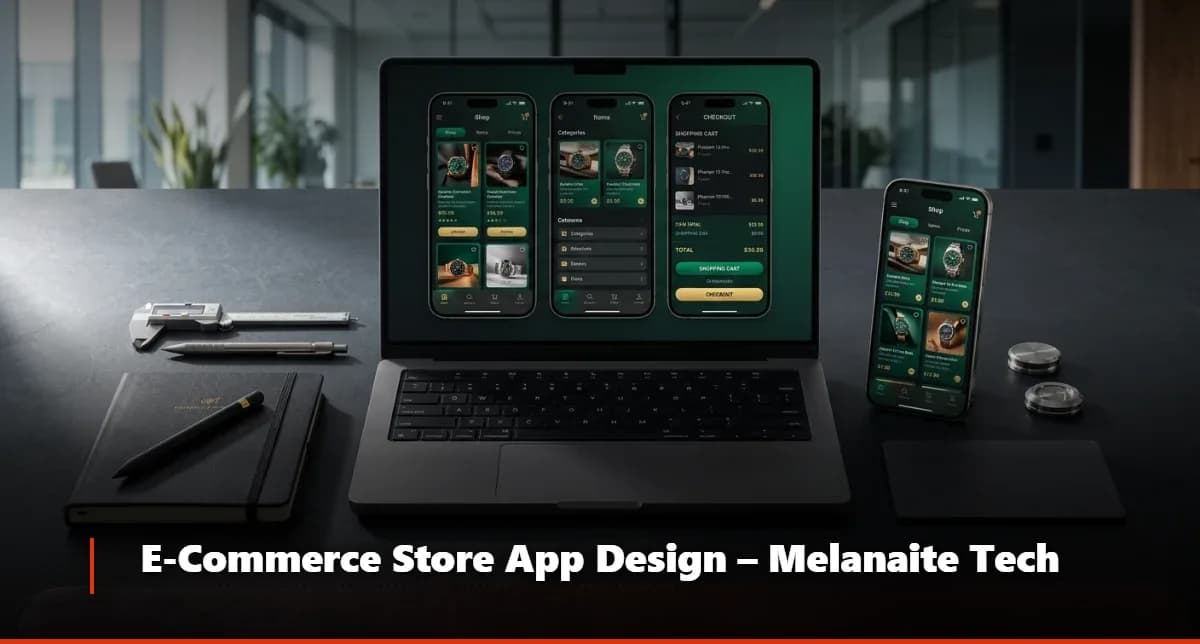
Every business owner who has tried selling online knows the difference between a store that converts and one that just sits there. Professional e-commerce store app design is the deciding factor — it shapes how customers browse, trust, and ultimately buy from you. Get it wrong and you lose sales before a single product is even viewed.
Milaknight Tech, a specialized technology systems and products company, has helped dozens of brands transform their digital presence through serious, results-driven development work. Their team understands that building an online store app isn't just a technical exercise — it's a business investment that needs to pay off from day one.
The Importance of E-Commerce Store App Design
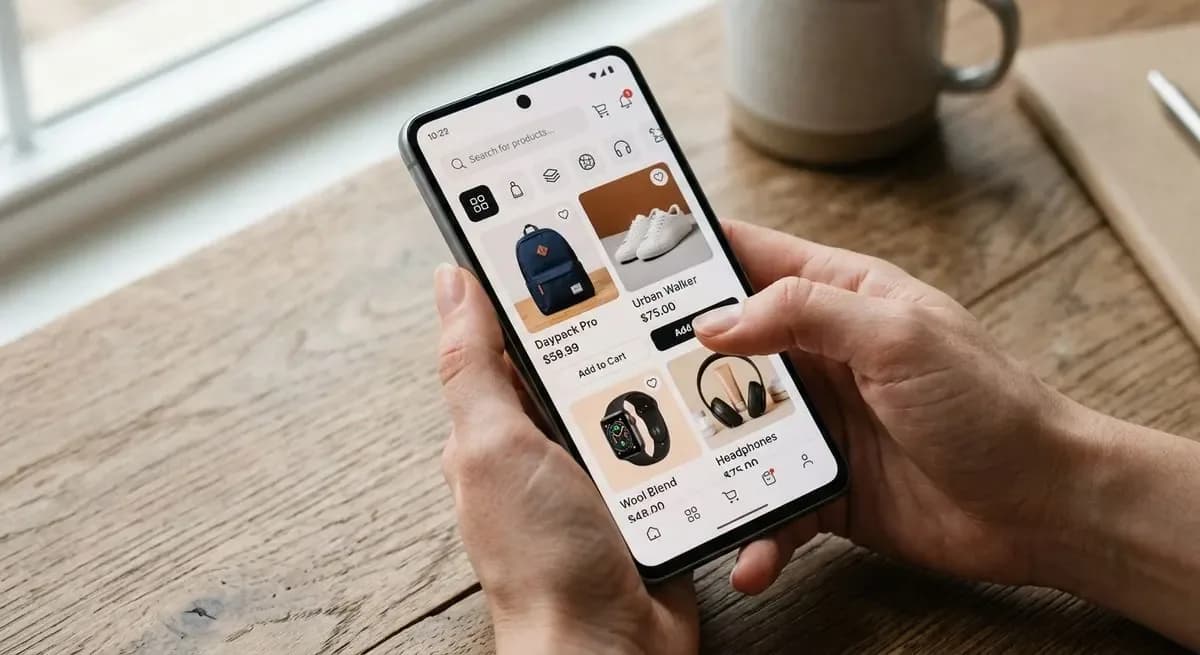
Here's the thing most people overlook: shoppers decide whether to stay or leave a mobile app within the first three seconds. That means your app's design carries more weight than your pricing, your product range, or even your marketing budget. A clean, intuitive interface keeps customers engaged long enough to actually make a purchase — and that's where revenue happens.
Creating an online store that works well on mobile is no longer optional. Mobile commerce now accounts for more than half of all e-commerce transactions globally, and that share keeps climbing. Businesses that invest in thoughtful app design see higher average order values, better retention rates, and significantly lower cart abandonment compared to those relying on a basic mobile website.
What's interesting here is that the design layer also affects trust. Users form opinions about a brand's credibility based entirely on how its app looks and feels. A polished, well-structured storefront signals professionalism and reliability — two things that convert hesitant browsers into confident buyers.
A Complete Guide to E-Commerce Store App Design
Building an e-commerce store app is not a single task — it's a structured process with distinct phases, each one building on the last. Skipping or rushing any phase creates technical debt that costs far more to fix later. Here's how a proper build looks from the inside.
The process begins with understanding the business deeply, then moves through design, technology selection, development, testing, and finally launch. Each phase has specific deliverables and decision points that determine the quality of the final product.
Understanding Business Requirements
Define the target audience: who they are, how they shop, what devices they use
Map out the full product catalog structure and any category hierarchies
Identify payment gateways required — local options, international cards, digital wallets
Clarify shipping and fulfillment logic: zones, rates, tracking integration
Set measurable goals: conversion rate targets, load time benchmarks, retention metrics
Document any third-party integrations needed — ERP systems, CRM tools, loyalty programs
Planning the Structure and Designing the Interface
Sketch user flows for the core journeys: browse → product detail → cart → checkout → confirmation
Create wireframes for every key screen before any visual design begins
Apply brand colors, typography, and imagery consistently across all screens
Design for accessibility: sufficient color contrast, readable font sizes, touch-friendly tap targets
Build a clickable prototype and run it by real users before committing to development
Ensure the design system is component-based so updates can be applied globally and quickly
Choosing the Right Technologies
Evaluate native development (Swift for iOS, Kotlin for Android) versus cross-platform frameworks like Flutter or React Native
Select a backend stack that scales — Node.js, Django, or Laravel are popular and well-supported options
Choose a database architecture suited to product catalogs with large SKU volumes
Decide on cloud hosting: AWS, Google Cloud, and Azure all offer e-commerce-ready infrastructure
Integrate a headless CMS if content marketing or blog features are part of the strategy
Consider platforms like Salla for online store creation when a managed environment suits the business model better
Software Development
Work in sprints using agile methodology so features are delivered and tested iteratively
Build the product listing engine first — search, filters, and sorting are core to usability
Develop the cart and checkout flow with session persistence so users never lose their basket
Implement secure authentication: email/password, social login, and biometric options
Connect payment APIs with full error handling and retry logic to prevent failed transaction frustration
Build an admin dashboard that gives the business owner real-time control over inventory, orders, and promotions
Testing and Performance Optimization
Run unit tests on every function and integration tests on every connected service
Conduct load testing to confirm the app handles traffic spikes — especially during sales events
Test on real devices across multiple screen sizes and OS versions, not just simulators
Audit app speed: images should be compressed, API calls should be cached, and render times should be minimal
Perform security testing: check for injection vulnerabilities, insecure data storage, and broken authentication
Gather beta user feedback and act on it before public release
Launch and Ongoing Maintenance
Submit to the App Store and Google Play with optimized listings — screenshots, descriptions, and keywords matter
Monitor crash reports and performance metrics from day one using tools like Firebase or Sentry
Schedule regular dependency updates to stay ahead of security patches
Plan a roadmap for post-launch features based on user behavior data
Set up automated backups and a disaster recovery protocol
Maintain a dedicated support channel so issues are flagged and resolved fast
How Long Does E-Commerce Store App Design Take?
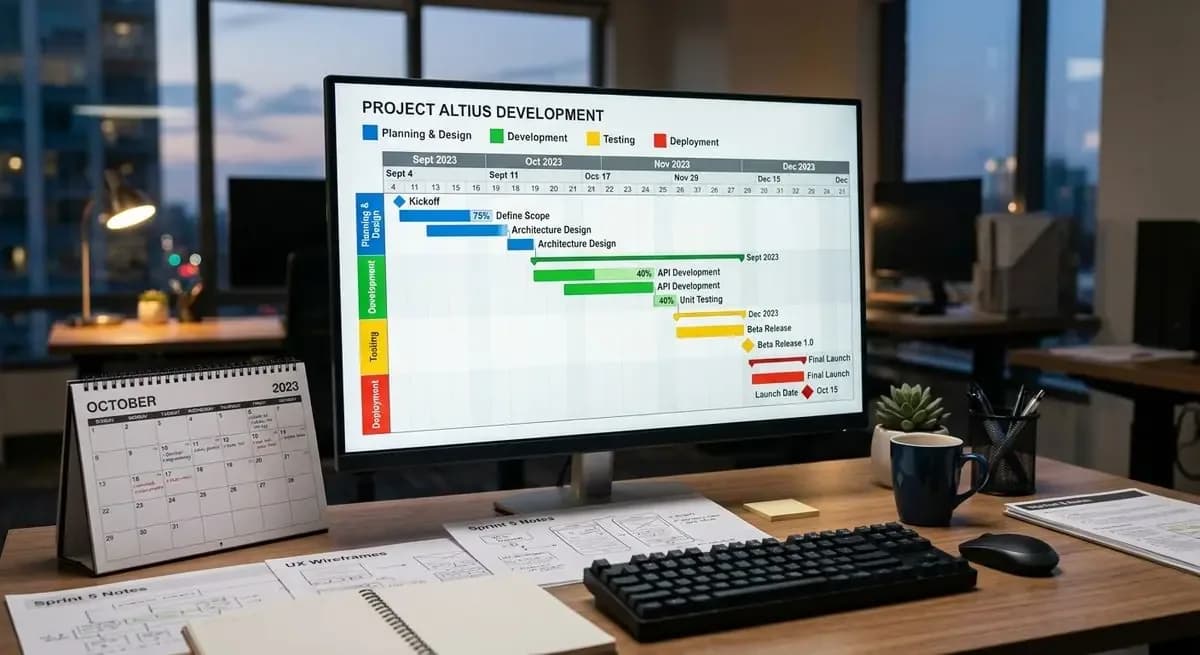
Timeline is one of the first questions every client asks, and the honest answer is: it depends on scope. A basic app with standard features — product listings, cart, checkout, and user accounts — typically takes between eight and fourteen weeks from kickoff to launch. That's assuming clear requirements from the start and prompt feedback on design reviews.
More complex projects add time. If the app needs custom integrations, a proprietary recommendation engine, multi-vendor marketplace functionality, or a bespoke admin panel, sixteen to twenty-four weeks is a realistic timeline. Rushing this process produces apps that break under real-world conditions — and fixing a broken live app is far more expensive than taking the extra weeks to build it properly.
Milaknight Tech structures every project with clear milestone checkpoints so clients always know where things stand. There are no vague progress reports — just deliverables reviewed and approved at every stage.
Programming an Online Store
Choose the right architectural pattern — MVC, MVVM, or clean architecture — based on team size and long-term maintainability goals
Use RESTful APIs or GraphQL to connect the frontend app to backend services efficiently
Implement state management carefully in cross-platform apps to avoid data sync issues between screens
Secure all data in transit with HTTPS and encrypt sensitive data at rest, particularly payment and personal information
Build modular code from the start so new features can be added without rewriting existing logic
Integrate analytics tracking at the event level — not just page views — to understand exactly how users interact with every screen
Follow App Store and Google Play guidelines strictly to avoid rejection during the review process
The Cost of E-Commerce Store App Design
Cost is the conversation that matters most, and it's also the one where vague answers cause the most frustration. The honest range for professional e-commerce store app design sits between a few thousand dollars for a focused MVP and significantly more for a full-featured, multi-platform solution with custom backend infrastructure.
The factors that push cost upward include the number of platforms targeted (iOS only versus both iOS and Android), the complexity of the payment and logistics integrations, the depth of the admin panel, and whether the project requires custom UI design from scratch or can work from an existing design system. How to design an online store on a budget without cutting corners usually comes down to prioritizing features ruthlessly — build what converts first, then expand.
Milaknight Tech, as a technology systems and products company, offers transparent pricing structures with no hidden fees. You know what you're getting, what it costs, and when it will be delivered — before a single line of code is written.

Why Choose Milaknight Tech for Your E-Commerce Store App
End-to-end capability — strategy, design, development, testing, and launch all under one roof with no handoff gaps
Proven experience building e-commerce store apps across retail, food, fashion, and digital goods verticals
Transparent project management with weekly updates and milestone-based delivery so nothing surprises you
Scalable architecture from day one — the app you launch can grow with your business without a full rebuild
Post-launch support included — bugs get fixed, performance gets monitored, and updates are handled proactively
Knowledge of regional market needs, including building an online store with Salla integration and local payment gateway support
A team that treats your business goals as the primary metric — not just code completion
A business that takes e-commerce store app design seriously gains a sustainable competitive edge — one that compounds over time as the user experience improves, reviews accumulate, and customer loyalty deepens. The work is real, the investment is real, and the returns are measurable. If you're ready to stop leaving revenue on the table and start building something your customers actually enjoy using, reach out to Milaknight Tech today and let a proven technology systems and products company turn your vision into a storefront that performs.
FAQ
Questions on this topic
How long does e-commerce store app design typically take?
For a standard app covering the core shopping experience, expect eight to fourteen weeks. More complex projects with custom integrations or marketplace features can take four to six months. Milaknight Tech provides a detailed project timeline during the discovery phase so there are no surprises and every deadline is grounded in reality.
What technologies are best suited for building an e-commerce store app?
Building an e-commerce store app well comes down to matching the technology to the business's needs. React Native and Flutter are excellent for cross-platform reach with a single codebase. Native Swift or Kotlin delivers the best performance for high-traffic stores. On the backend, Node.js and Laravel are both solid choices. The right answer depends on your budget, your audience, and your growth trajectory — all things the team at Milaknight Tech evaluates before recommending anything.
Why should I choose Milaknight Tech for my online store app project?
Milaknight Tech is not a generic development agency — it's a focused technology systems and products company that specializes in digital commerce solutions. They bring both technical depth and commercial thinking to every project, which means the app they build is designed to generate revenue, not just function correctly. From the first consultation through to post-launch maintenance, you get a partner invested in your success.